

Thank you very much for being part of the GRK 2162!
PIs
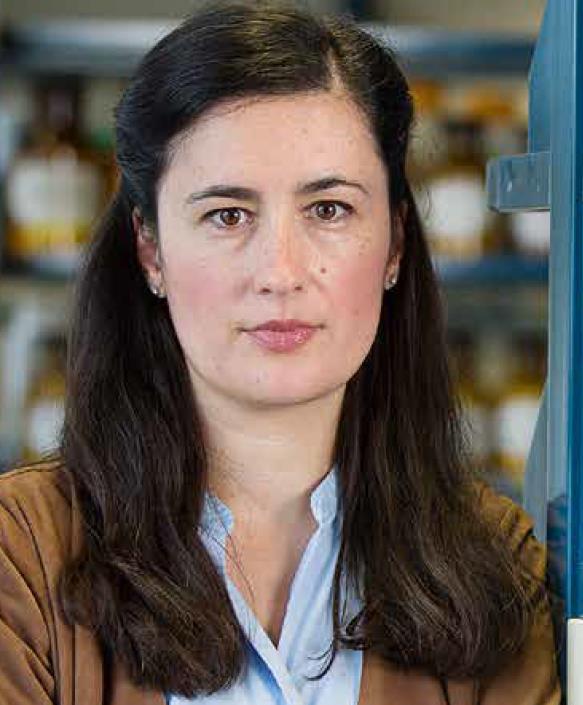
Prof. Kristina Friedland
Department of Chemistry and Pharmacy
Professorship of Molecular and Clinical Pharmacy
- Phone number: +49 9131 85-22597
- Email: kristina.leuner@fau.de
- Website: http://klinmolpharm.nat.uni-erlangen.de
Research focus
Research in my group aims to understand the pathophysiology of neuropsychiatric diseases e.g. mood disorders and Alzheimer disease with a focus on ion channels and mitochondria. In addition, we aim to develop new pharmacological therapies for these diseases.Project
Interaction of ASM/ceramide system and TRPC6 channels and its role in plasticity and depression-like behavior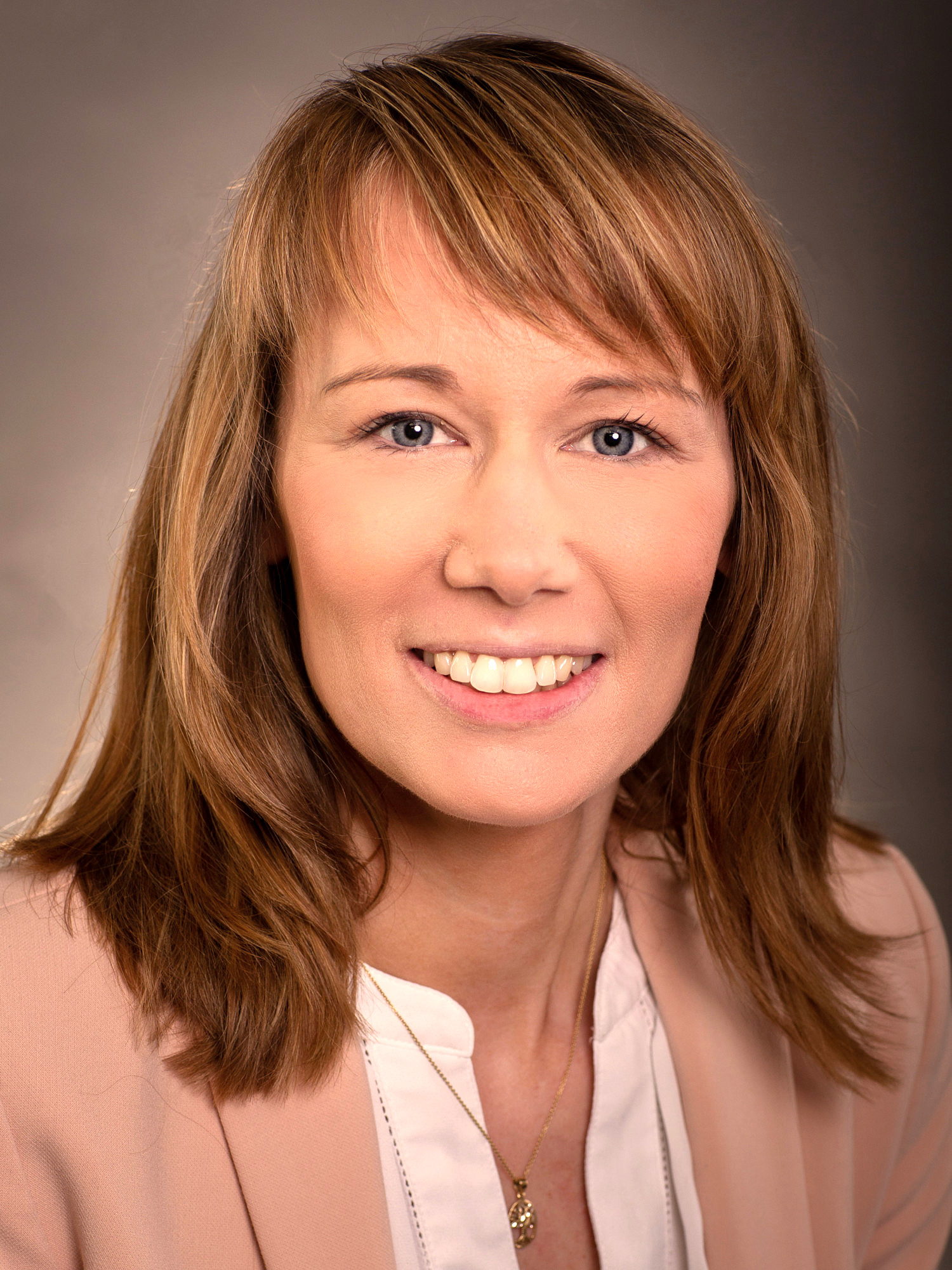
Prof. Stefanie Kürten
Chair of Anatomy and Cell Biology
Institute of Anatomy and Cell Biology
Director
- Phone number: +49913185-22264
- Email: stefanie.kuerten@fau.de
- Website: https://www.anatomie1.med.fau.de/mitarbeiter/stefanie-kuerten
Research focus
Multiple sclerosis (MS) is an autoimmune disorder of the central nervous system (CNS) and the most frequent neurological disease in young adults, leading to irreversible clinical deficits and premature retirement. On the one hand, my group focuses on the contribution of B cells and autoantibodies to the immunopathology of MS. Next to understanding the mechanisms of B cell-driven disease, we aim to develop novel therapeutic options and biomarkers for patients with MS. On the other hand, we are concerned with developing strategies to promote neuroregeneration and remyelination in the CNS.Project
Induction of CNS remyelination by modulation of the crosstalk between astrocytes and the oligodendrocyte lineage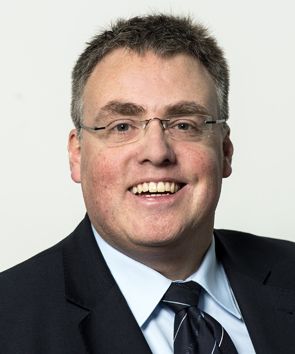
Prof. Ralf Linker
Department of Neurology
Chair of Neurology
Research focus
My continuing scientific interests include neurodegeneration and neuroprotection as well as glial cells in MS, and mechanisms of action of new immunotherapies.Project
Role of the transcription factors Sox8 and Sox10 in susceptibility and repair in demyelinating diseases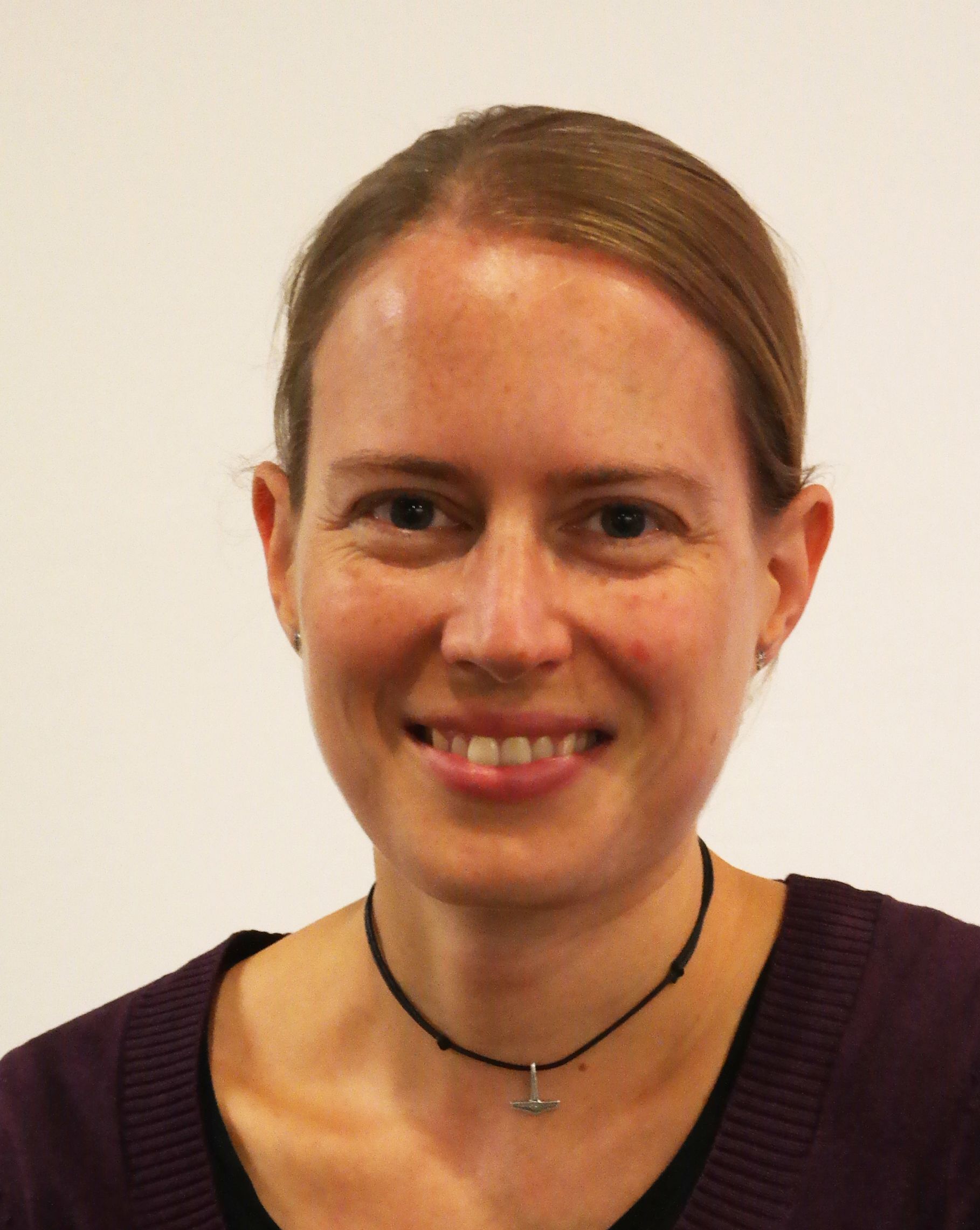
PD Dr. Hanna Regus-Leidig
Research Fellow
Department of Biology
Chair of Animal Physiology
- Phone number: +49 9131 85-28329
- Email: hanna.regus-leidig@fau.de
- Website: http://www.tierphys.nat.uni-erlangen.de/staff/regus-leidig.shtml
Former research focus
The research of the Brandstätter and Regus-Leidig group focuses on molecules and mechanisms that play a role in the development and the structural and functional organization of chemical synapses in the CNS with a special focus on the retina. In our experimental approach, we combine methods ranging from immunocytochemistry and light- and electron microscopical imaging to biochemistry, cell and molecular biology, and electrophysiology. As synaptophathies = malfunctioning synapses are a reason for many neurodegenerative diseases and neurological disorders, the aim of our research is to contribute to a better understanding of synapse function in health and disease.Former project
Examining the synaptogenesis and synapse maintenance factor Bassoon as a putative factor for the differential sensitivity of photoreceptors to late-onset degeneration
Prof. Dr. Christiane Zweier
Group leader
Institute of Human Genetics
Chair of Human Genetics
- Phone number: +49 9131 85-26007
- Email: christiane.zweier@uk-erlangen.de
- Website: http://www.humangenetik.uk-erlangen.de/