

PIs
The RTG joins scientists with expertise in basic, clinical and translational neuroscience to tackle Neurodevelopment and Vulnerability of the CNS from multiple angles to find novel interdisciplinary approaches.
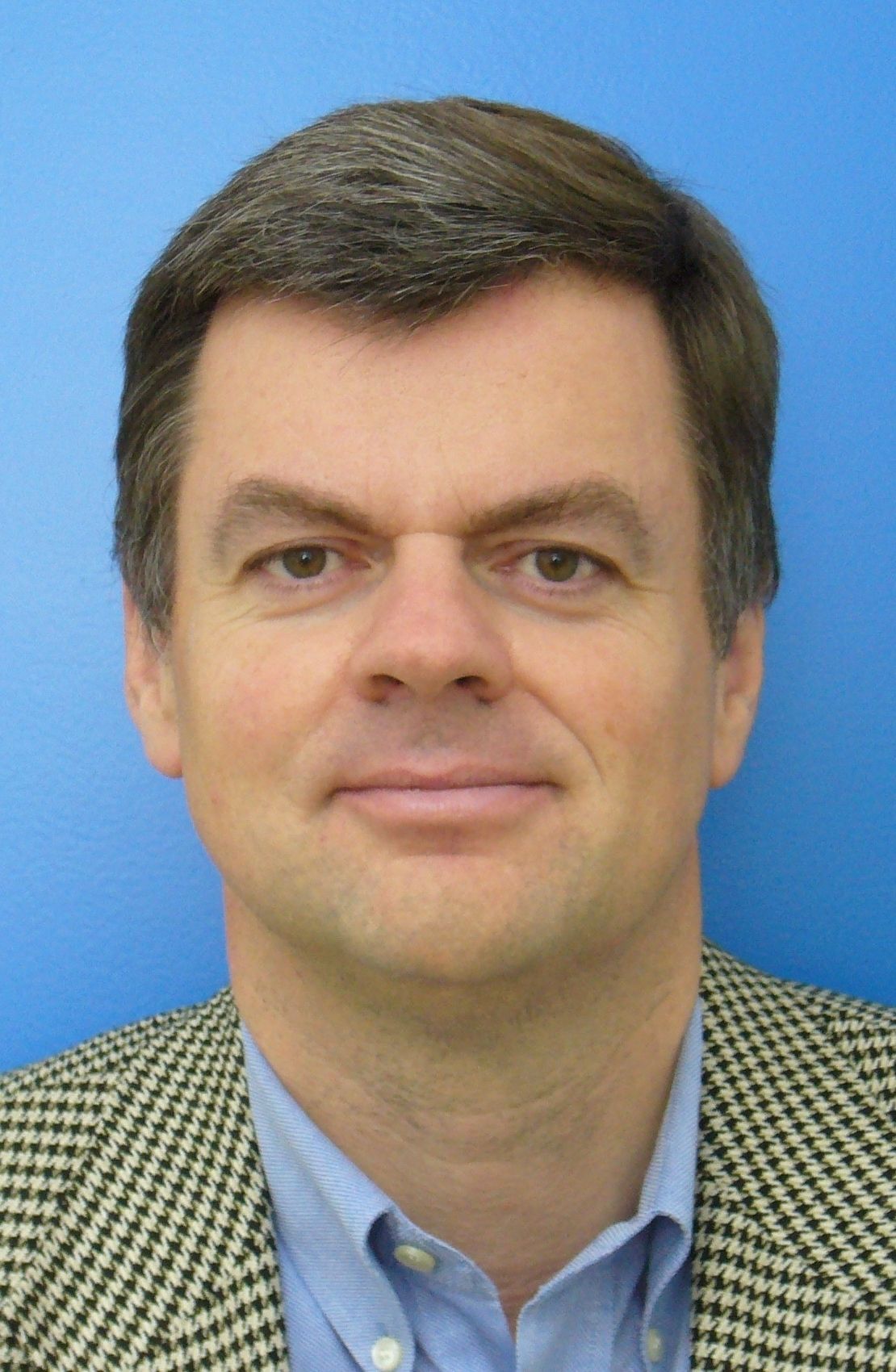
Prof. Christian Alzheimer
Institute of Physiology and Pathophysiology
Chair of Physiology
- Phone number: +49 9131 85-22295
- Email: christian.alzheimer@fau.de
- Website: http://www.physiologie1.uni-erlangen.de/en/Alzheimer/index.shtml
Research focus
Our research focuses on the electric behavior of CNS neurons under normal and pathological conditions. Using high-resolution neurophysiologic and optical techniques, we investigate function and regulation of ion channels and synapses. Our aim is to understand fundamental neural processes which are essential for cognitive and motor functions as well as for affective behavior and whose dysfunctions might give rise to neuropsychiatric disorders.Project
Role of activin in development-related neuropsychiatric disorders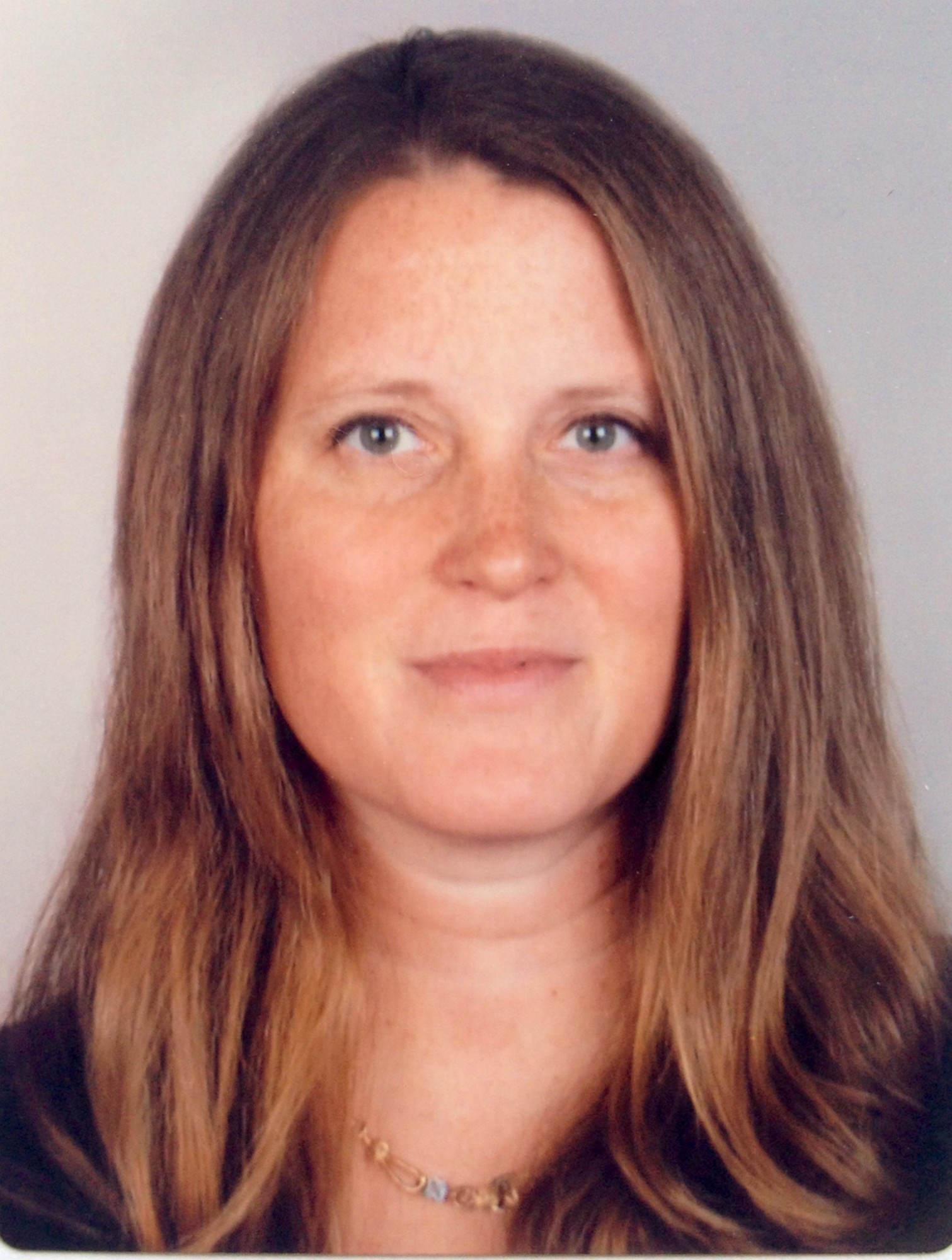
PD Dr. Ruth Beckervordersandforth
Institute of Biochemistry
Research focus
Interaction of stem cells and their progeny with their microenvironment is critical for regulation of hippocampal neurogenesis. Astrocytes are considered major components of the hippocampal neurogenic niche, but their specific contribution to neurogenesis-dependent plasticity remains largely understudied. In contrast to the prevailing assumption that mature astrocytes are postmitotic in the non-injured adult brain, I recently identified astrocyte subtypes, which started to proliferate in response to pro- or anti-neurogenic stimuli, thus revealing unexpected astrocyte plasticity. In my research I pursue the novel hypothesis that astrocyte heterogeneity and astrogenesis are critical modulators of neurogenesis-dependent plasticity.Project
Contribution of astrocytes to synapse formation in adult-born hippocampal neurons
Prof. Johann Helmut Brandstätter
Department of Biology
Chair of Animal Physiology
- Phone number: +49 9131 85-28054
- Email: johann.helmut.brandstaetter@fau.de
- Website: http://www.tierphys.nat.uni-erlangen.de/
Research focus
The research of the Brandstätter and Regus-Leidig group focuses on molecules and mechanisms that play a role in the development and the structural and functional organization of chemical synapses in the CNS with a special focus on the retina. In our experimental approach, we combine methods ranging from immunocytochemistry and light- and electron microscopical imaging to biochemistry, cell and molecular biology, and electrophysiology. As synaptophathies = malfunctioning synapses are a reason for many neurodegenerative diseases and neurological disorders, the aim of our research is to contribute to a better understanding of synapse function in health and disease.Project
Examining the synaptogenesis and synapse maintenance factor Bassoon as a vulnerability factor in photoreceptors to late-onset degeneration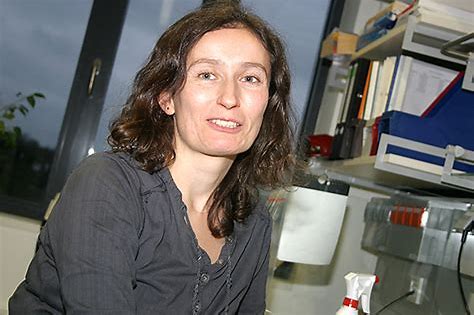
Prof. Anna Fejtová
Department of Psychiatry and Psychotherapy
Prof. Anna Fejtová
Research focus
My group is interested in the cellular and molecular mechanisms underlying plasticity of presynaptic function in healthy brain and in disease.Project
The project aims to further increase the understanding of the pathophyiological link between development and the pathogenesis of adult-onset neuropsychiatric and -degenerative disease by systematically investigating critical regulators of activity-dependent gene expression.
Prof. Kristian Franze
Institute for Medical Physics and Microtissue Engineering & Max-Planck-Zentrum für Physik und Medizin
- Phone number: +49 9131 85-22310
- Email: kristian.franze@fau.de
- Website: http://www.imp.uni-erlangen.de
Research focus
We are working at the interface between physical and life sciences to understand how mechanical signals, such as cellular forces and local tissue stiffness, regulate developmental and regenerative processes in the nervous system.Project
We will investigate whether and how demyelination-induced alterations of tissue mechanics affect axonal regeneration and how the neuron senses alterations in tissue mechanics during ageing and in demyelinating diseases. The knowledge gained from this project will lead to a better understanding of how developmental programmes could be exploited to promote regeneration.
Prof. Marisa Karow
Institute of Biochemistry
Professorship Biochemistry and Molecular Neuroscience
- Phone number: +49 9131 85-24636
- Email: marisa.karow@fau.de
- Website: https://karowlab.org
Research focus
In the lab we are studying processes that govern human neuron formation by using a dual approach which entails forced and natural neurogenesis using direct lineage reprogramming and the brain organoid model, respectively. We are using primary cultures of human brain pericytes to dissect the molecular mechanisms underlying fate conversion of pericytes into induced neurons. Furthermore, we use (patient-derived) human iPS cells to generate three-dimensional cell aggregates termed brain organoids to study aspects of early human neurogenesis. Besides using single cell transcriptomics, we are also using continuous live imaging to follow the trajectories on a single cell level.Project
Revealing the origin of corpus callosum aberrations by employing a human brain organoid-based model system
Prof. Johannes Kornhuber
Department of Psychiatry and Psychotherapy
Chair of Psychiatry and Psychotherapy
- Phone number: +49 9131 85-34166
- Email: johannes.kornhuber@uk-erlangen.de
- Website: http://www.psychiatrie.uk-erlangen.de
Research focus
Our research focuses on sphingolipid metabolism and neuropsychiatric disorders, on the pathophysiology of major depressive disorder and Alzheimer’s disease and on the early and differential diagnosis of Alzheimer’s disease.Project
Basic and translational investigations into the role of the sphingolipid enzyme sphingomyelin synthase in the pathophysiology and treatment of major depression
Dr. Melanie Küspert
Institute of Biochemistry
Chair of Biochemistry and Pathobiochemistry
- Phone number: +49 9131 85-24638
- Email: melanie.kuespert@fau.de
- Website: http://www.biochem.uni-erlangen.de
Research focus
My research focuses on the identification and functional analysis of novel regulators and modifiers of glial development and myelination in vitro and in vivo. To obtain a better understanding of transcriptional regulatory networks, which jointly work together during glial development to enable proper myelination and remyelination, I focus on potential targets and interactors of known key regulators of myelination processes, such as the transcription factors Sox10 and Myrf in oligodendrocytes.Project
The role of Dusp15/VHY during oligodendrocyte differentiation and myelination
Prof. Dieter Chichung Lie
Institute of Biochemistry
Professorship of Molecular Medicine with focus on Molecular Imaging
- Phone number: +49 9131 85-24622
- Email: chi.lie@fau.de
- Website: http://www.biochem.fau.de/forschung/arbeitsgruppe.php?arbeitsgruppe=5
Research focus
Adult hippocampal neurogenesis – the generation of hippocampal neurons from stem cells throughout life – is a prime example of how the continuous activity of neurodevelopmental processes shapes plasticity of the adult brain. Notably, impaired adult neurogenesis is evolving as a major contributor to neuropsychiatric symptoms in ageing, mental and neurodegenerative diseases. Research in my group aims to understand the molecular and cell biological mechanisms controlling adult hippocampal neurogenesis with a major focus on transcriptional and metabolic regulation.Project
Role of the neurodevelopmental transcription factor Sox11 in shaping adult CNS function in physiology and disease
PD Dr. Christiane Mühle
Department of Psychiatry and Psychotherapy
Chair of Psychiatry and Psychotherapy
Research focus
Recent data strongly indicate the influence of the sphingolipid metabolism in the pathophysiology of neuropsychiatric diseases such as depression, alcohol addiction and neurodegeneration. We characterize the involved sphingomyelinase and ceramidase enzymes in various biological materials and investigate their genetic variation, activity and regulation in animal / cell culture models, healthy individuals and patients. Thereby we aim to better understand the underlying molecular mechanisms as well as to evaluate the suitability of these enzymes as diagnostic or prognostic biomarkers and as preventive and therapeutic targets.Project
Basic and translational investigations into the role of the sphingolipid enzyme sphingomyelin synthase in the pathophysiology and treatment of major depression
Prof. André Reis
Institute of Human Genetics
Chair of Human Genetics
- Phone number: +49 9131 85-22020
- Email: andre.reis@uk-erlangen.de
- Website: http://www.humangenetik.uk-erlangen.de/forschung/arbeitsgruppen/index_ger.html
Research focus
Genetic basis of neurocognitive disorders – the majority of these disorders, especially those with moderate to severe intellectual impairment, are caused by major genetic defects, but the genetic heterogeneity is extremely high, making their elucidation a challenge. In recent years, though, common pathways and cellular processes have emerged making identification of causative genes and the study of their pathophysiology an excellent avenue to understand cognition and eventually find treatments for affected individuals. Research in my group aims to understand the genetic defects and molecular mechanisms controlling all process leading to disturbed cognition with a major focus on chromatin related processes of transcriptional control.Project
Identification of transcriptional networks underlying corpus callosum dysgenesis in neurodevelopmental and neuropsychiatric disease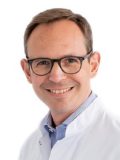
Prof. Veit Rothhammer
Full Professor (W3), Heisenberg Professor
Department of Neurology
- Phone number: +49 9131 85-44618
- Email: veit.rothhammer@uk-erlangen.de
- Website: http://www.rothhammer-lab.com
Research focus
Astrocytes and microglia are the most abundant glial cells in the CNS with important functions in development, health and disease. Indeed, their interactions determine developmental processes as well as the outcome in autoimmune inflammatory, degenerative and ischemic disorders of the CNS. In this context, we have shown that the interaction of glial cells with metabolites derived from the gut flora alters the outcome in inflammatory CNS disorders by the interaction of dietary metabolites with the Aryl hydrocarbon receptor (AHR) in astrocytes and microglia. Combining clinical studies with preclinical disease models, we aim to unravel mechanisms controlled by glial cells and their interaction with gut-derived AHR ligands during development, health and disease. Our ultimate goal is to gain a deeper understanding of the underlying mechanisms and to develop novel therapeutic interventions for developmental disorders as well as CNS diseases such as Multiple Sclerosis, Neuromyelitis optica and ischemic stroke.Project
Role of aryl hydrocarbon receptor on function and immune response of astrocytes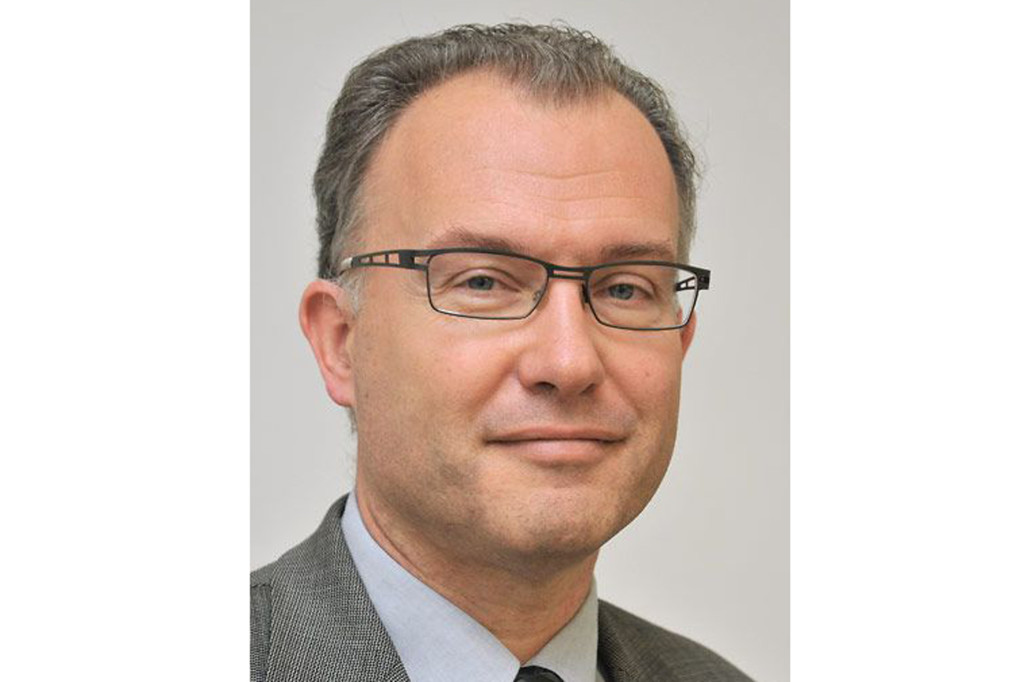
Prof. Michael Wegner
Institute of Biochemistry
Chair of Biochemistry and Pathobiochemistry
- Phone number: +49 9131 85-24620
- Email: michael.wegner@fau.de
- Website: http://www.biochem.uni-erlangen.de
Research focus
Myelination is a central function of glial cells in the vertebrate nervous system, and essential during development as well as in the adult as evident from the fact that myelination defects cause a variety of diseases that manifest at different times of life including leukodystrophies, autism spectrum disorders, schizophrenia, and multiple sclerosis. Research in my group aims to understand the molecular mechanisms controlling gliogenesis, glial identity and homeostasis as well as myelination in the vertebrate central and peripheral nervous systems with a major focus on transcriptional regulation.Project
The developmental regulator Sox8 as a determinant of glial disease in the adult CNS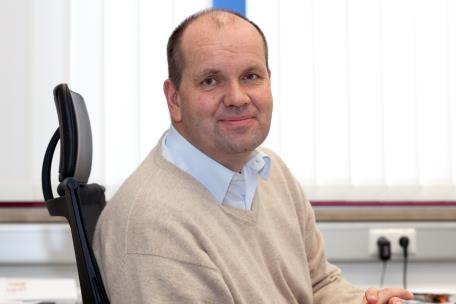
Prof. Jürgen Winkler
Department of Neurology
Divison of Molecular Neurology
- Phone number: +49 9131 85-39323
- Email: juergen.winkler@uk-erlangen.de
- Website: http://www.molekulare-neurologie.uk-erlangen.de/
Research focus
The underlying molecular and cellular mechanisms in neurodegenerative diseases such as synucleinopathies are examined by using innovative translational neuroscience approaches in order to define the impact on the endogenous regenerative potential within the diseased brain, in particular the generation of new neurons and oligodendroglia. Furthermore, by taking advantage of our outpatient clinic we established human induced pluripotent stem cells and neural progeny for disease modelling purposes. The overall hypothesis is that impaired adult neuro- and oligodendrogenesis may contribute to distinct disease phenotypes. The present project investigates the functional consequences of alpha-synuclein pathology in oligodendrocytes with particular focus on myelin homeostasis.Project
Oligodendrogenesis and myelin homeostasis in alpha-synucleinopathies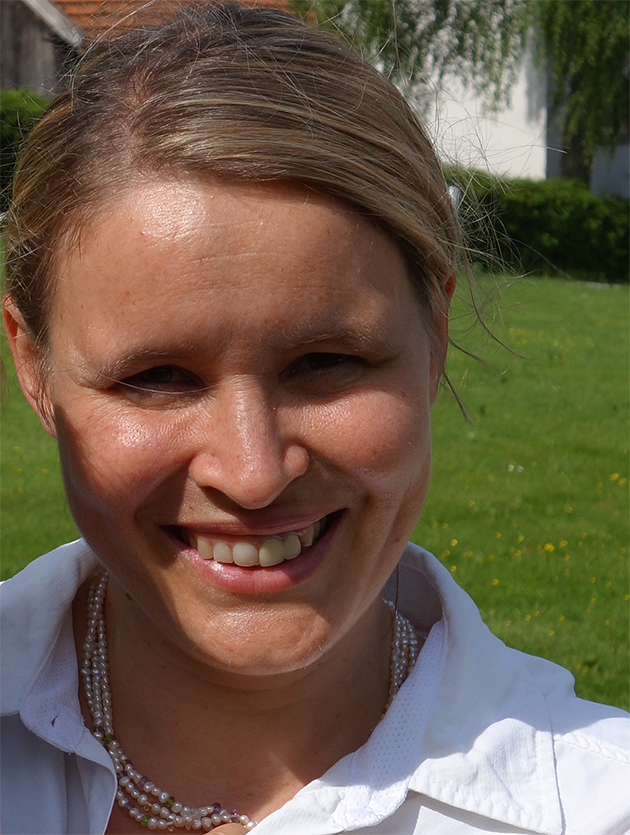
Prof. Beate Winner
Department of Stem Cell Biology
- Phone number: +49 9131 85-39301
- Email: beate.winner@fau.de
- Website: http://www.stammzellbiologie.uk-erlangen.de/en/
Research focus
The overall goal of research in our laboratory is to model neurodegenerative diseases using stem cells. Specifically, we investigate neurodegeneration and regeneration in synucleinopathies including Parkinson’s disease and motor neuron diseases.Project
Function of the hereditary spastic paraplegia disease gene SPG11 in development and degeneration of the corpus callosum
Prof. Friederike Zunke
Department of Neurology
Divison of Molecular Neurology
- Phone number: +49 9131 85-34492
- Email: friederike.zunke@uk-erlangen.de
- Website: https://www.uk-erlangen.de/kontakt/visitenkarte/friederike-zunke-10827/